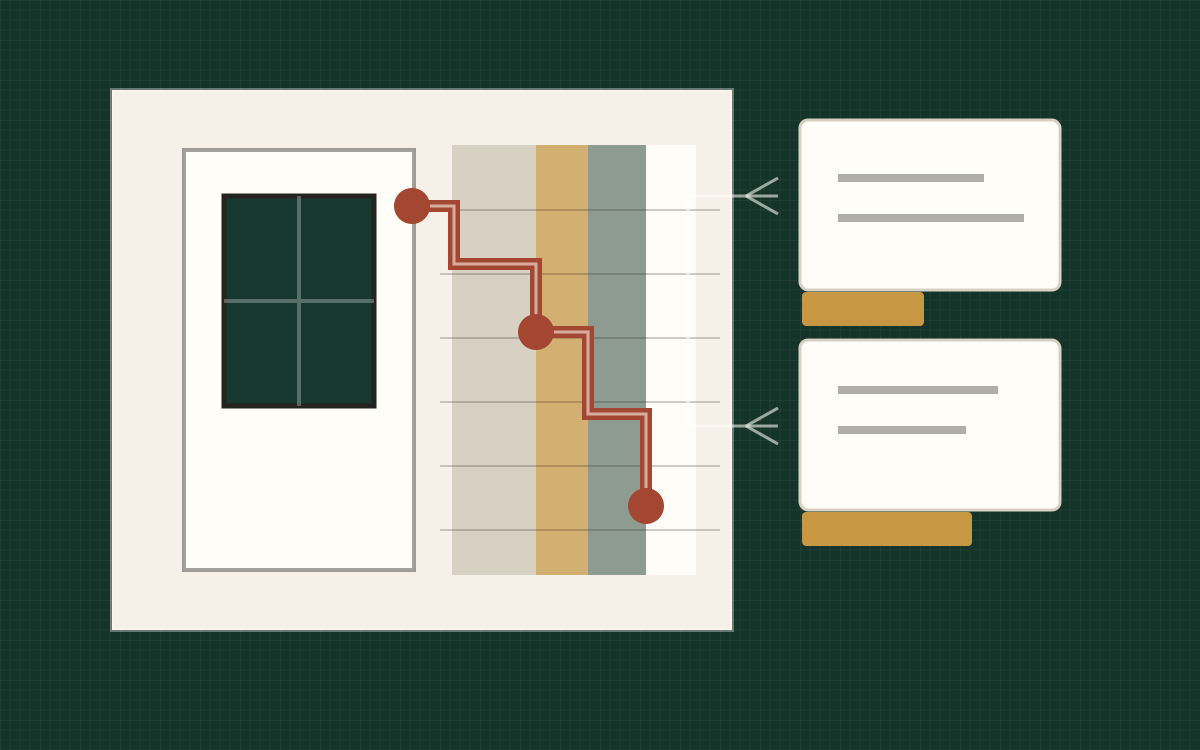
Blueprint cutaway showing water intrusion path through a window opening

Discovered Damage? Start Here

What to do before a repair dispute gets away from you.

A short triage guide for homeowners, condo boards, property managers, and contractors facing water intrusion, defective repairs, insurance problems, or lien pressure.

Property case intake Contract. Damage. Deadline.

Focused first review for owners, associations, managers, and repair professionals.

First, preserve what proves the story.

Construction and property damage disputes are rarely won by adjectives. They turn on dates, photos, contract language, inspection notes, payment records, and what each person said before the dispute became formal.

01

Make a photo set

Take wide photos for context, close photos for detail, and a few shots that show where the damage sits in the room, wall, roofline, window opening, or building exterior.
02

Build a simple timeline

List the estimate date, start date, change orders, payment dates, first sign of damage, contractor responses, insurance calls, and any deadline.

03

Keep communications intact

Save emails, texts, voicemail notes, letters, portal messages, and claim updates. Do not delete the awkward or inconvenient pieces.

04

Avoid broad releases

Do not sign a final release, settlement, warranty waiver, or payment agreement without understanding what claims or defenses may be given up.

When to call instead of waiting.

Call the office if you have an active leak, mold concern, structural movement, insurance denial, lien notice, demand letter, court paper, contractor walk-off, or a deadline you do not understand.

Common questions

What should I do first after finding construction damage?

Photograph the damage, stop destructive cleanup unless safety requires it, save repair documents, write down dates, and avoid signing a release or broad settlement before understanding your rights.

Should I contact the contractor or insurance company first?

It depends on the contract, warranty, insurance policy, and urgency. If there is an active leak, safety issue, lien notice, denial letter, or lawsuit deadline, call a lawyer before sending a long written accusation.

What documents help a construction defect lawyer evaluate a case?

Helpful documents include contracts, estimates, change orders, invoices, payment records, photos, videos, inspection reports, expert notes, insurance letters, emails, text messages, permit records, and any notices or court papers.

Case Review

A clean record makes the first legal conversation more useful.

Send the basics, then the firm can identify deadlines, missing documents, and practical next steps.